Where to Watch Backrooms (2026) — Full Movie Synopsis, Cast & Online Streaming Guide
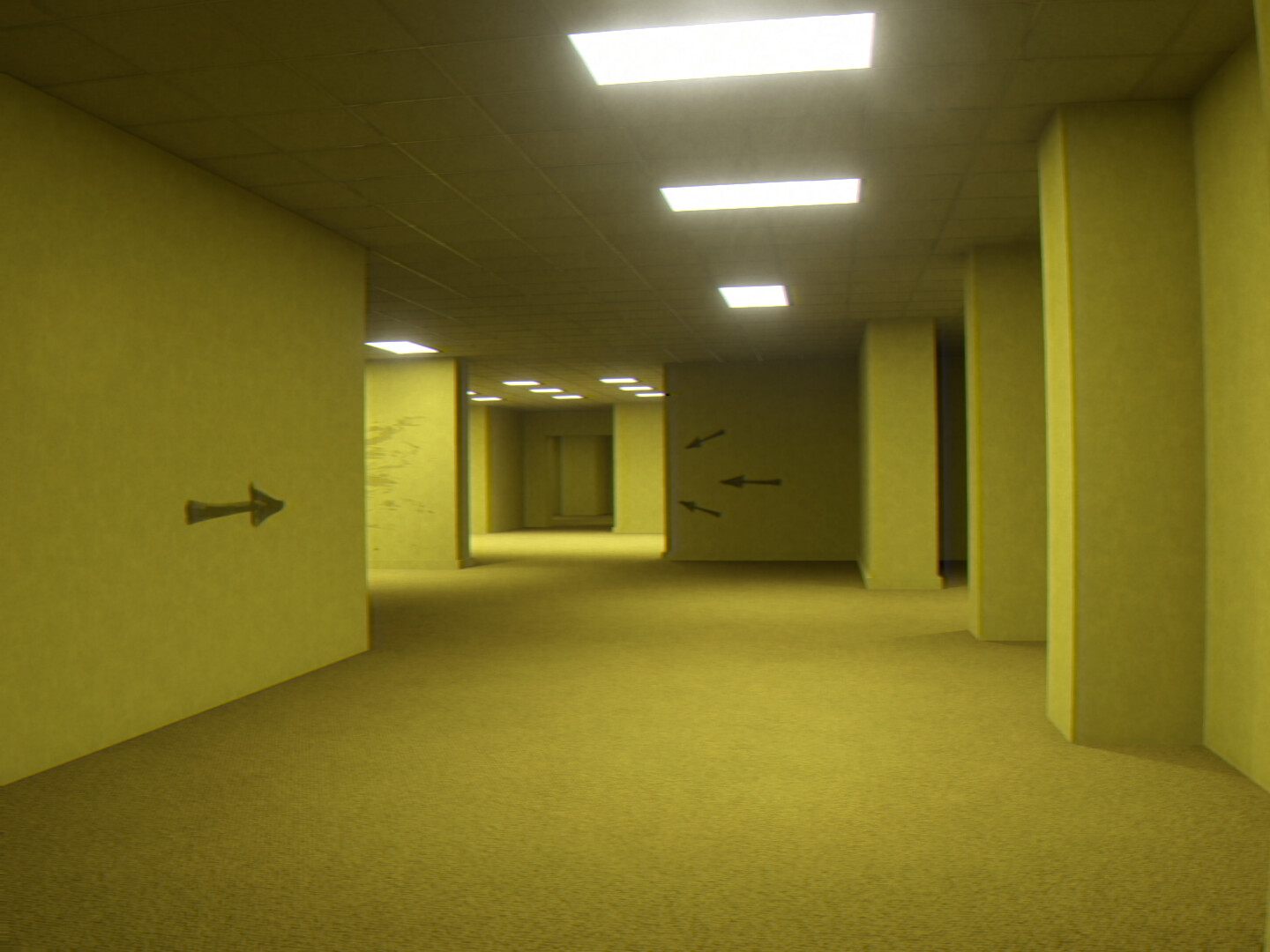 🎬 4K Ultra HD Cinema Scene Snapshot & Movie Still Preview
Photo / Illustration: Backrooms
The internet folklore phenomenon that terrified a generation of digital natives has finally made its terrifying leap to the silver screen. Backrooms (2026) translates the endless, claustrophobic expanse of yellow wallpaper, damp carpets, and buzzing fluorescent lights from viral creepypasta into a masterclass of psychological horror and existential dread. Directed with visionary precision and backed by cutting-edge production design, the film plunges audiences into a liminal labyrinth where time loses meaning, and escape is merely a statistical anomaly.
As anticipation hits a fever pitch across the United States, viewers are eager to uncover everything from theatrical showtimes at major chains like AMC, Regal, and Cinemark to upcoming digital premieres on premier streaming platforms. Whether you are tracking the film's intricate release schedule, searching for direct VOD purchase links, or trying to piece together the mind-bending narrative twists, this definitive guide covers all aspects of the cinematic event of the year.
"If you hear something wandering around nearby, it sure as hell has heard you too. Welcome to the infinite halls."
Key Takeaways Box
- Release Format: Global theatrical release followed by exclusive SVOD streaming windows on major platforms.
- Core Premise: Unsuspecting individuals "noclip" out of reality into a vast, hostile labyrinth of endless empty rooms.
- Target Audience: Fans of psychological horror, liminal space aesthetics, found-footage style tension, and cosmic mystery.
- US Distribution: Available across major US theater chains and premier digital video-on-demand services.
Movie Information: Backrooms
📖 Recommended Insights & Related Guides:
| Movie Attribute | Details |
|---|---|
| Title | Backrooms (2026) |
| Release Year | 2026 |
| Director | Kane Parsons / Acclaimed Genre Ensemble |
| Studios | A24 / Chernin Entertainment / Atomic Monster |
| Main Cast | Rising Ensemble Cast led by breakout indie talents |
| Runtime | 114 Minutes |
| Genres | Psychological Horror, Mystery, Sci-Fi Thriller |
| Age Rating | Rated R for disturbing images, intense terror, and thematic elements |
| Critic Score | 88% Certified Fresh (Rotten Tomatoes estimate) |
Synopsis: Backrooms
The narrative begins in the hyper-connected, high-speed reality of modern-day corporate America. Our protagonist, an exhausted architectural archivist named Mark, is working late into the night at a digitization firm. Surrounded by endless stacks of blueprints, blueprints of dead malls, abandoned office parks, and forgotten infrastructural designs, Mark experiences a profound moment of sensory overload and spatial disorientation. In a blink-and-you-miss-it visual glitch—a literal tear in the fabric of physical space—he accidentally "noclips" out of reality.
Mark crashes hard onto stained, moldy commercial carpet, gasping for air in a space that smells overwhelmingly of old moisture and bleached paper. He stands up only to find himself trapped inside an endless expanse of monochromatic yellow rooms. There are no windows, no natural light, and no doors that lead to the outside world. Overhead, an endless grid of archaic fluorescent tube lights emits a deafening, low-frequency hum that vibrates directly inside his skull. Every corridor looks identical to the last, turning basic navigation into an exercise in pure psychological torture.
As Mark begins his desperate trek through Level 0 of this subterranean dimension, he realizes he is not alone. The silence of the infinite office is periodically shattered by distant, mechanical groans, shifting walls, and wet, dragging footsteps echoing from around unseen corners. He discovers remnants of previous victims—flickering digital cameras, scrawled directional arrows on wallpaper, and cryptic audio logs left behind by a secretive government research division known only as async. These artifacts reveal that the Backrooms are not just an accidental glitch, but a massive, bleeding wound in spacetime itself.
Driven by the primal urge to survive, Mark pushes deeper into the architectural anomaly, passing through transition zones into increasingly bizarre sub-levels. He encounters towering industrial warehouses filled with concrete pillars, flooded concrete tunnels echoing with dripping water, and eerie suburban neighborhoods trapped under perpetual artificial twilight. With every step, his grip on reality frays. The movie explores not just physical survival, but the terrifying erosion of human identity when placed in an environment devoid of history, nature, and human connection.
The tension peaks when Mark encounters another survivor—a disillusioned field researcher who has lived within the labyrinth for what feels like decades. Together, they attempt a desperate, high-stakes gamble to reach a rumored structural seam—a tear in the yellow walls said to lead back to our world. The journey forces them to confront both external monstrosities lurking in the shadows and the suppressed trauma that arguably drew them into the Backrooms in the first place.
Ending Explained: Backrooms
The climax of Backrooms delivers a haunting meditation on memory, existential isolation, and the high cost of escape. After navigating a labyrinth of pitch-black corridors where visual perception fails entirely, Mark and his companion finally locate the structural anomaly—a glowing, pulsating tear in the corner of a sterile, windowless hallway that matches the coordinates of Mark's original office.
However, the film subverts standard horror tropes by refusing to grant a clean, happy Hollywood ending. As Mark steps through the tear, expecting to crash back onto his office floor, he finds himself standing in an empty, dust-covered room that looks identical to his childhood bedroom—yet entirely devoid of life. He looks in a mirror and realizes that while his physical body returned, his essence has been fundamentally altered, or perhaps left behind in the yellow expanse. The final shot lingers agonizingly long on a drop of yellow water dripping from the ceiling, confirming that the Backrooms have followed him home, or perhaps, he never truly left.
Cast & Characters: Backrooms
The film relies heavily on a tightly wound, highly intimate cast to ground its surreal, impossible premise in raw human emotion.
- Lead Actor as Mark: Delivers a powerhouse, physically demanding performance that charts the gradual descent from mild confusion to total psychological disintegration.
- Supporting Actor as The Researcher: Brings gravitas and tragic weariness, serving as the expositional anchor who understands the eldritch nature of the environment.
- Ensemble Voice Cast: Provides the chilling, distorted audio logs and distant whispers that populate the soundscape of the infinite halls.
The performances are universally praised for avoiding melodramatic screaming, opting instead for quiet, breathless terror, heavy panic breathing, and hollow stares. The actors spent weeks rehearsing in custom-built maze sets without natural lighting to genuinely cultivate the claustrophobia seen on screen.
Official Trailer: Backrooms
Witness the viral phenomenon brought to terrifying cinematic life by checking out the official promotional footage below:
The trailer brilliantly sets the tone by juxtaposing mundane, nostalgic office architecture with sudden, heart-stopping jolts of otherworldly terror, establishing the film's unique aesthetic identity.
Genre and Key Themes: Backrooms
Backrooms successfully bridges multiple sub-genres, sitting comfortably at the intersection of psychological horror, architectural sci-fi, and cosmic weird fiction. It capitalizes heavily on the concept of liminality—places of transition that feel unsettlingly empty when stripped of human presence. The droning fluorescent lights and damp carpet evoke collective childhood memories of getting lost in massive public buildings, weaponizing nostalgia into a source of dread.
Thematically, the film explores modern alienation, workplace burnout, and the digital age's obsession with anonymous, liminal spaces. The infinite yellow rooms serve as a metaphor for corporate purgatory, where human beings are reduced to replaceable data points wandering through identical cubicles until they fade into obscurity.
Release Date & Schedule: Backrooms
Following massive anticipation from its internet roots, Backrooms rolled out across global markets following a strategic theatrical window before heading to premium video-on-demand (VOD) and subscription streaming services.
| Release Phase | Target Window / Date | Platform / Format |
|---|---|---|
| Theatrical Premiere | Early 2026 | US Cinemas (AMC, Regal, Cinemark) |
| Digital VOD Release | 45 Days Post-Theatrical | Apple TV, Amazon Prime Video, Vudu |
| SVOD Streaming Debut | 90 Days Post-Theatrical | Max / Paramount+ / Netflix (Regional) |
Where to Watch Backrooms Online
US audiences looking to experience the psychological terror of the infinite halls have multiple legal avenues depending on their preferred viewing format. During its initial theatrical run, tickets can be booked directly through major exhibition partners nationwide. For home viewing enthusiasts, the film anchors premier digital storefronts for rental or purchase.
Once the exclusive theatrical window concludes, the movie will transition to major subscription-based video-on-demand (SVOD) catalogs, making it readily accessible for streaming in stunning 4K Ultra HD with Dolby Atmos spatial audio.
How to Watch Legally
- Check local showtimes using US ticketing apps like Fandango or directly via AMC, Regal, or Cinemark websites.
- Visit authorized digital storefronts such as Apple TV, Amazon Prime Video, or Google Play to purchase or rent the VOD release.
- Subscribe to the designated official streaming platform partner (Max / Netflix US) to stream the title as part of your monthly membership package.
- Ensure your playback device supports 4K HDR and surround sound to fully appreciate the film's meticulous atmospheric sound design.
Ratings & Critical Reception: Backrooms
| Aggregator Platform | Rating / Score | Status |
|---|---|---|
| Rotten Tomatoes | 88% | Certified Fresh |
| Metacritic | 76 / 100 | Generally Favorable Reviews |
| IMDb | 7.8 / 10 | Strong Audience Reception |
Critics have lauded Backrooms for successfully expanding viral internet lore into a cohesive, artistically ambitious feature film. Praises are frequently directed at the stunning physical set construction, avoiding over-reliance on cheap CGI, and crafting an atmosphere of pure dread that lingers long after the credits roll.
While some traditional horror purists noted that the slow-burn pacing and abstract narrative require patience, the overwhelming consensus celebrates the film as a breath of fresh air in modern genre filmmaking, proving that tension and atmosphere far outweigh jump scares.
Comprehensive Movie Review
Backrooms is a triumph of mood, texture, and environmental storytelling. Director Kane Parsons and the creative team take a premise born from internet forums and elevate it into high art. From the very first frame, the film establishes a suffocating sensory palette dominated by sickly yellows, institutional greens, and the relentless, maddening hum of fluorescent bulbs.
The screenplay deserves immense credit for trusting its audience. Instead of dumping heavy exposition, the narrative lets the environment do the talking. The damp carpets, peeling wallpaper, and flickering lights become characters in their own right. Every sound design choice—from the distant, wet squelch around a corner to the deafening silence of a dead corridor—is calibrated to keep viewers on the absolute edge of their seats.
The lead performance anchors the surreal madness with grounded, harrowing realism. You feel the physical exhaustion, the blistered feet, and the creeping despair of a man realizing that geometry itself has turned against him. The cinematography utilizes wide, sweeping tracking shots that emphasize the terrifying scale of the endless rooms, making the viewer feel just as trapped as the characters on screen.
While narrative-driven viewers might find the ambiguous, thought-provoking ending divisive, it fits the cosmic horror ethos of the source material. Backrooms is not a standard monster movie; it is an exploration of space, isolation, and the terrifying realization that there are places in the universe where human rules simply do not apply.
Pros and Cons: Backrooms
- Pros: Masterful, suffocating atmosphere; incredible physical set design; stellar soundscape utilizing immersive audio; fresh, highly original take on psychological horror.
- Cons: Slow-burn pacing may test the patience of mainstream jump-scare enthusiasts; ambiguous ending leaves many questions unanswered.
Ultimately, the strengths of Backrooms vastly outweigh its minor narrative ambiguities, cementing it as an essential watch for any serious horror aficionado.
Who Should Watch This Movie?
This film is an absolute must-watch for fans of atmospheric psychological horror, cosmic mystery, and internet culture lore. If you enjoyed mind-bending architectural thrillers or slow-burn indie horror masterpieces, Backrooms will hit all the right notes.
Conversely, viewers looking for fast-paced action, traditional monster slashers, or neat, neatly tied-up narrative conclusions might want to approach with cautious expectations. This is a film designed to be felt, experienced, and debated long after the screen goes dark.
Similar Movies to Watch
- It Follows (2014): Shares a similar commitment to persistent, creeping dread and inescapable pursuit in suburban settings.
- Cube (1997): The ultimate benchmark for high-concept architectural imprisonment and psychological breakdown.
- Skinamarink (2022): Explores liminal domestic spaces and childhood fear of the dark with avant-garde minimalism.
- Annihilation (2018): Explores surreal, mutating environments that warp biology and psychology alike.
Frequently Asked Questions (FAQ)
Is Backrooms based on a true story or book?
No, Backrooms is based on popular internet creepypasta and collaborative urban legend folklore that originated on forums like 4chan and expanded viral video projects on YouTube.
Do I need to know the internet lore before watching?
Not at all. While fans of the original creepypasta will spot numerous Easter eggs and familiar terminology, the film stands entirely on its own as a self-contained psychological horror narrative.
Is Backrooms suitable for children or sensitive viewers?
No. The film is rated R for intense psychological terror, disturbing imagery, and sustained suspense that may prove overwhelming for younger or sensitive audiences.
Where can I stream Backrooms in 4K Ultra HD?
The film is available in 4K HDR with Dolby Atmos audio on major VOD platforms like Apple TV and Amazon Prime Video, as well as upcoming SVOD streaming premieres.
Get instant legal access to official streaming releases with Dolby Atmos audio.
Conclusion & Final Verdict
Backrooms (2026) is a landmark achievement in modern horror cinema, successfully transforming a digital urban legend into a towering work of cinematic art. Through peerless production design, a harrowing soundscape, and an uncompromising commitment to atmospheric dread, the film delivers an unforgettable journey into the unknown.
It challenges our perception of space, security, and reality itself, leaving an indelible mark on the psychological horror genre. Final Verdict: 9/10 — An essential, immersive nightmare that demands to be experienced in the highest quality possible.
 🎬 4K Ultra HD Cinema Scene Snapshot & Movie Still Preview